


 Search
.jpg "ebook")
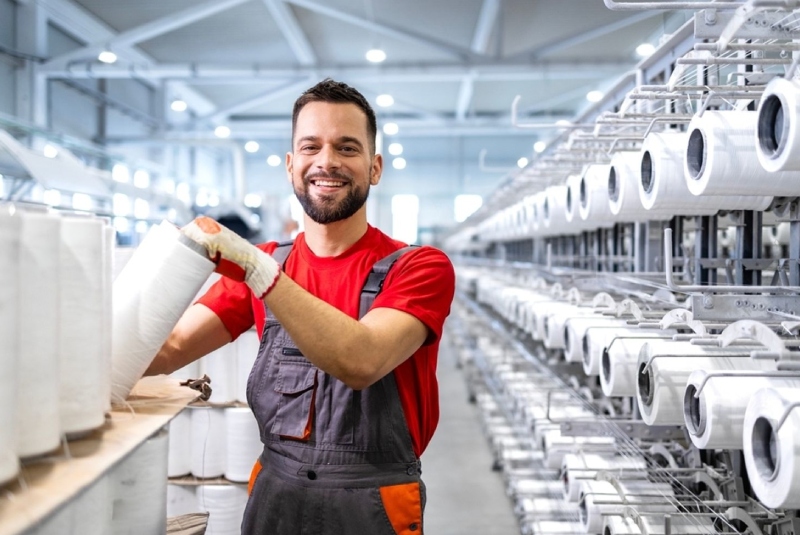
At a time when the whole world is leaping towards sustainability, the global textile industry is not lagging behind either. In fact, it is undergoing a transformation toward sustainable and circular solutions, impacting both retail and commercial sectors. The focus is on reducing energy, water, chemical use, and carbon emissions through material innovation and process efficiency. Consumers are moving from linear to circular buying behaviors, increasing demand for durable, eco-friendly products.
On a flip perspective, the world generates 100+ million tons of textile waste annually; only 1% is currently recycled. Recycling and sustainability collectively call for advanced technology and innovation in production. A collaborative effort is required among brands, regulators, recyclers, investors, and governments to achieve textile circularity by 2030.
In terms of durability & performance enhancement, textile blends and pilling-resistant fabrics improve longevity, critical for cost savings in hospitality operations. Improved longevity and durable textiles help optimize linen inventory and reduce replacement cycles.
In light of this and the pressing need of going sustainable, textile innovation is no longer optional; it's an economic and environmental necessity.
The future of textiles lies in durability, hygiene, and sustainability. These innovations not only elevate client experiences but also help commercial operations reduce costs and environmental impact—making textile innovation a cornerstone of modern hospitality and healthcare service delivery. We spoke to industry experts Narayanan Raghavan, Chief Sustainability Officer @ Dr. Linen Sustainability Ventures FZCO and Anil Shah, Senior Manager, Linencraft to understand their perspective on textile innovation and durability.
 Narayanan Raghavan, Chief Sustainability Officer, Dr. Linen Sustainability Ventures FZCO
The world is undergoing a paradigm shift in the textile space, increasingly leaning toward sustainable products, which are poised to become the new norm in the near future. This trend applies to both retail and commercial businesses. Garment producers have already begun innovating with recycled fiber content, and many brands are now transitioning toward sustainable practices.
When the pandemic hit, the textile industry began introducing antimicrobial elements as part of the new normal. Will the fast fashion industry change the way it operates today? The answer is a resounding yes. The world urgently needs to conserve energy, water, chemicals, wood, and other resources to control greenhouse gas emissions generated by various industrial processes.
Additionally, garments and commercial textile products used in industrial applications will also need to evolve to become more long-lasting and inherently sustainable. There remains a myth in the industry that buying cheaper products and replenishing them multiple times is cost-effective. In reality, this leads to higher long-term spending compared to investing in durable products. Consumer behavior is now undergoing a radical shift from linear consumption to circular buying habits.
In the drive to produce more circular products through recycling, the industry faces significant technological challenges. Globally, more than 100 million tons of textile waste are generated annually, a number that continues to rise. Shockingly, only 1% of this waste is collected and recycled, with the rest ending up in landfills.
This industry demands focused global attention and support for brands to quickly innovate and develop environmentally friendly, durable products. Regulators and governing bodies must play an active role in accelerating the shift toward a circular economy.
As textile innovation progresses, it also presents vast opportunities to improve process efficiency within the laundry and chemical industries. Achieving economic balance is critical for the entire sector to become truly sustainable and circular.
To successfully complete this transformation by 2030, all stakeholders must collaborate—fashion brands, technology providers, raw material producers (recyclers), waste collectors and sorters, regulators, investors, and governments—working together in a closely coordinated manner to create lasting impact.
Textile processing and laundry remain the largest contributors to CO₂ emissions in the industry. Effective control in these areas is essential for building a greener, cleaner future.
Anil Shah, Senior Manager, Linencraft
Textile Innovation and Durability:
Driving Comfort, Hygiene, and Sustainability
The textile industry has undergone significant transformations in recent years and will continue to evolve. This is mainly driven by advancements in material, textile technology and to large extent sustainability concerns. And furthermore, there is growing demand for high-performance fabrics. In the hospitality and healthcare sectors, linen quality plays a crucial role in meeting customer expectations, patient care, and on overall daily operational efficiencies. Recent innovations in textiles have led to the development of smarter, more durable, and eco-friendly fabrics, tailored for hospitality and health care needs.
- Antimicrobial and Hygienic Fabrics
The healthcare industry requires linen that minimizes infection risks. To this end modern antimicrobial textiles incorporate:
- Silver-ion technology – Prevents bacterial growth in healthcare linen and uniforms.
- Copper-infused fabrics – Proven to kill pathogens, including MRSA and E. coli.
- Nanotechnology coatings – Create self-cleaning surfaces that repel liquids and microbes. Produce materials that kill bacteria, eliminate moisture and odour.
- Sustainable and Eco-Friendly Textiles
Both Hospitality and Healthcare industries now have ample reasons to shift toward sustainable materials to reduce environmental impact:
- Organic Cotton & Bamboo Fibers – Hypoallergenic, biodegradable, and softer than conventional cotton.
- Recycled Polyester – Made from plastic bottles, used in duvets, blankets and curtains.
- Lyocell (TENCEL) – A sustainable fibre derived from wood pulp, offering breathability and moisture-wicking properties.
Sustainable textiles often outperform 100% cotton in environmental impact, resource use, and durability, though cotton remains popular for its comfort and familiarity.
Here’s a concise comparison based on sustainability:
Environmental Impact: Cotton is resource-intensive, requiring significant water (e.g., ~10,000 lit/kg for conventional cotton) and pesticides (16% of global usage). Alternatives like organic cotton (uses less water, no synthetic pesticides), hemp (low water, no pesticides, high yield), and Tencel (closed-loop production, 10-20x less water than cotton) have lower footprints.
- Durability and Longevity Improvement
- Blends – Combining microfiber with natural fibres increases durability while maintaining softness.
- Pilling-Resistant fabrics – Hospitality industry benefit from linen which retain their smooth texture after multiple washes.
Durability or useful linen lifespan for Hospitality
Delivering a consistent luxury experience in hotels extends beyond providing exceptional service—it demands meticulous linen inventory management. Longer linen life span or durability is crucial, as maintaining adequate linen par levels is a persistent challenge for housekeeping teams. Awareness and understanding textile specifications that enhance durability can guide the end user in sourcing high-performance linen and in turn extending linen lifespan. Highlighting below key factors when selecting linen or uniforms based on their intended use to ensure a longer lifespan.
Factor affecting durability
▪ Material
▪ Manufacturing specifications: Yarn and fabric quality
▪ Yarn and fabric strength
▪ Resistance to Abrasion
▪ Resistance to pilling / shredding
▪ Seam slippage
▪ Colour fastness
▪ Handling and Usage
▪ Washing and subsequent processing requirements
To conclude, the textile industry is revolutionizing the hospitality and healthcare industry with options for prioritizing hygiene, sustainability, performance, and smart functionality. Advancements like AI-driven linen management promise enhanced serviceability and user experience. It is promising to note that the industry is embracing these innovations, driving a fundamental shift toward safer, high-performing, and sustainable textiles.
Disclaimer:
“The views and opinions expressed in this article are those of the author in a personal capacity and do not reflect the official policy, position, or endorsement of Emirates Flight Catering.”
