


 Search
.jpg "ebook")
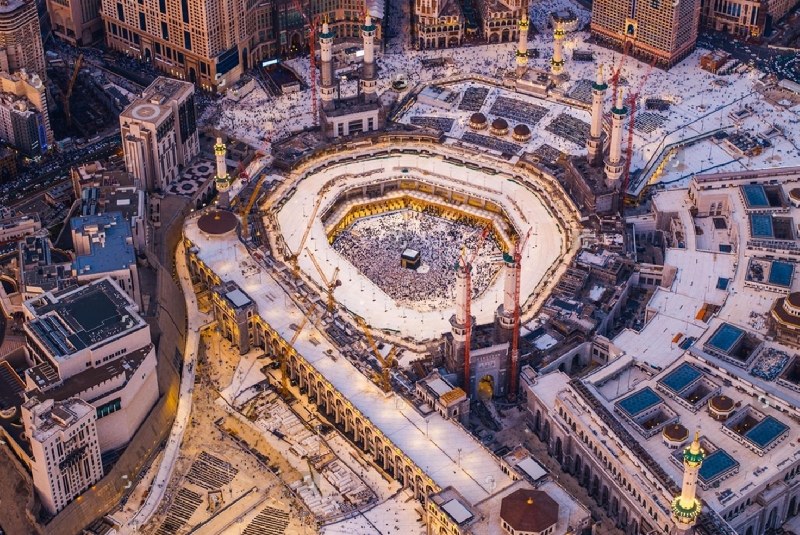
As millions of pilgrims converge on Makkah and Madinah, hotel housekeeping teams face an extraordinary test of operational resilience. From rapid room turnovers and relentless occupancy pressures to workforce management, hygiene assurance and sustainable operations, maintaining impeccable standards requires much more than conventional cleaning practices.
Every year, the holy cities of Makkah and Madinah welcome millions of pilgrims undertaking Hajj and Umrah. For visitors, these journeys represent profound moments of faith, devotion and spiritual reflection. Behind the scenes, however, the hospitality industry must navigate one of the most complex operational environments in the world, where extraordinary guest volumes, compressed turnaround times and intense pressure on infrastructure converge.
At the centre of this challenge is housekeeping.
Unlike conventional hospitality operations, where occupancy patterns are relatively predictable and room servicing can be scheduled around established routines, pilgrimage seasons demand a fundamentally different approach. Hotels must accommodate large group arrivals, simultaneous departures, diverse cultural expectations and sustained use of public facilities, often with very limited windows for cleaning and maintenance.
The stakes are particularly high. Cleanliness is not merely a guest satisfaction metric; it is integral to pilgrim comfort, health, safety and the overall hospitality experience.
For housekeeping leaders, the challenge is therefore not simply to clean more rooms in less time. It is to build resilient operational systems capable of delivering consistent hygiene standards under extraordinary pressure.
When Conventional Housekeeping Models Are No Longer Enough
The defining characteristic of Hajj and peak Umrah hospitality is the intensity and concentration of demand.
Hotels can experience sustained full occupancy, rapid guest turnover and significant variations in room utilization. Properties accommodating families and pilgrimage groups may also face increased demand for additional beds, linen, amenities and cleaning resources.
 Abdou El Saghir, Executive Housekeeper, Biltmore Hotel, Madina, identifies high-velocity logistics, cultural adaptability and workforce motivation as three essential pillars of successful pilgrimage-season operations.
His approach reflects a critical shift in housekeeping management: moving away from reactive cleaning schedules towards coordinated operational systems that anticipate demand and allocate resources accordingly.
 Mazhar Malik, Director of Housekeeping at Al Manakha Rotana, Madinah Munawara, shares this perspective. Drawing on more than 47 years of hospitality experience, including roles with IHG, Hilton, Accor and Rotana, Malik emphasizes the importance of preparation, discipline and cross-departmental coordination.
For Malik, effective housekeeping begins long before guests arrive. Occupancy forecasts, arrival and departure schedules, VIP requirements and room priorities must be reviewed in close coordination with Front Office teams.
This enables managers to identify potential bottlenecks, establish staffing requirements and prepare sufficient linen, equipment and guest supplies.
The objective is to create an operation that can absorb sudden changes without allowing them to compromise service quality.
The Race Against Time: Rethinking Room Turnaround
Perhaps nowhere is the operational pressure more visible than during room turnover.
When large pilgrimage groups check out simultaneously, housekeeping teams may be required to prepare substantial numbers of rooms before the next arrivals. Delays can create congestion at reception, increase guest waiting times and place additional pressure on hotel employees.
El Saghir advocates task specialization as one possible solution.
Under an assembly-line cleaning model, individual attendants focus on defined activities such as stripping linen, sanitizing bathrooms or preparing beds. He suggests that this approach can reduce room turnaround times by up to 40%, although actual improvements depend on staffing, room configuration and operational conditions.
The underlying principle is straightforward: eliminate unnecessary movement, improve coordination and ensure that each stage of the cleaning process is completed efficiently. However, speed cannot come at the expense of hygiene.
Malik distinguishes between working quickly and working efficiently. An attendant rushing through a room without a structured sequence may overlook details, create rework or trigger guest complaints. A disciplined cleaning process, by contrast, can improve productivity while protecting quality.
At Al Manakha Rotana, room-readiness management involves accurate room-status updates, priority-based assignments, prompt reporting of maintenance defects and supervisory inspections before rooms are released.
Bathrooms, bedding, floor cleanliness, visible dust, amenities and maintenance concerns all require attention.
Digital inspection tablets and room-management systems can support these processes by improving communication between Housekeeping and Front Office. Yet technology must complement, rather than replace, physical verification.
A room should only be released when it is genuinely ready for its next occupant.
Public-Area Hygiene: Cleaning Around The Rhythm Of Pilgrimage
While guest-room turnover presents one challenge, public-area sanitation creates another.
Hotel lobbies, elevators, corridors, washrooms and entrances experience concentrated surges of activity as pilgrims move between their accommodation and the Holy Mosques.
These movement patterns are closely linked to the five daily prayers, creating predictable periods of intense footfall followed by comparatively quieter intervals.
El Saghir recommends aligning public-area cleaning schedules with these patterns. During peak movement periods, teams can prioritize immediate hygiene concerns and unobstructed circulation. More intensive cleaning can then be scheduled when crowds have dispersed. This demand-responsive approach enables hotels to maintain cleanliness without creating unnecessary disruption. High-touch surfaces, washroom fixtures, elevator controls and frequently used communal areas require particular attention. Cleaning frequencies should reflect actual usage, while disinfection must follow appropriate product instructions and hygiene protocols.
Malik similarly emphasizes planned cleaning schedules supported by regular, demand-based inspections. Importantly, hygiene management must also consider accessibility and safety. At Al Manakha Rotana, housekeeping colleagues have received targeted retraining on positioning service trolleys safely in guest corridors to avoid obstructing passageways. Such details can appear minor, but in a high-occupancy environment, clear circulation routes, organized equipment and consistent supervision are essential to safe and efficient operations.
Workforce Resilience: The People Behind Exceptional Cleanliness
Even the most sophisticated cleaning systems depend on the people responsible for executing them. During pilgrimage seasons, housekeeping employees face physically demanding workloads, extended operational pressure and the challenge of maintaining consistent standards across repetitive tasks.
Both El Saghir and Malik identify workforce preparation as central to successful housekeeping performance. Pre-season training should cover efficient cleaning sequences, chemical safety, time management, hygiene procedures, cultural awareness and emergency escalation protocols.
Cultural adaptability is especially important. Pilgrims arrive from different countries, bringing varied languages, expectations and accommodation preferences. Housekeeping employees must respond respectfully while maintaining consistent service standards.
Malik advocates demand-based rosters, cross-training, daily briefings and active supervisory involvement. Managers must consider not only the number of occupied rooms but also room configurations, checkout patterns, public-area traffic and laundry requirements.
However, productivity cannot be measured solely by the number of rooms cleaned per attendant.
Adequate rest breaks, safe equipment, realistic workloads and constructive supervision are equally important. El Saghir also highlights the logistical challenges of transporting staff during pilgrimage periods. Road closures and congestion near the Holy Mosques can disrupt commuting arrangements, making coordinated staff accommodation and shuttle services valuable operational considerations.
Beyond logistics, employee recognition and morale deserve management attention.
Nutritious meals, supportive leadership, team activities and recognition of achievements can help sustain motivation throughout demanding seasons. Ultimately, an exhausted workforce is unlikely to deliver consistently exceptional standards. Employee well-being must therefore be treated as an operational priority rather than an optional benefit.
Linen, Laundry And Inventory: The Invisible Pressure Points
High occupancy places extraordinary demands on linen circulation, laundry capacity and housekeeping inventories. Frequent checkouts increase the volume of bedsheets, pillowcases, towels and bath linen requiring processing. Additional beds and high-density room configurations can intensify consumption further.
A shortage of clean linen can delay room release even when sufficient attendants are available.
El Saghir recommends maintaining continuous laundry operations through dependable commercial laundry partnerships, supported by carefully controlled linen par stocks.
Malik offers specific planning benchmarks based on his operational experience: three par levels for in-house laundry operations and four par levels, plus an additional 10% allowance for wear and tear, when laundry is outsourced.
These figures provide useful starting points rather than universal requirements. Appropriate stock levels depend on occupancy, laundry turnaround times, room configuration and delivery reliability.
At Al Manakha Rotana, linen usage, extra-bed availability and physical inventory levels are monitored closely, with information communicated to Front Office to prevent last-minute shortages.
The same preparedness applies to cleaning machinery and chemicals.
Heavy-duty vacuum cleaners, floor scrubbers and other equipment must be inspected and maintained before peak periods. Cleaning agents should be approved for their intended applications, used at the correct dilution and selected with consideration for both hygiene effectiveness and guest sensitivities.
In densely occupied hotels, reliable procurement and inventory control are as important as cleaning technique.
Deep Cleaning Before The Pressure Begins
One of the most effective strategies for managing peak occupancy is completing major cleaning and preventive maintenance work before demand intensifies.
Hotels that postpone major maintenance or deep cleaning until peak occupancy risk room unavailability, guest inconvenience and operational congestion. Advance preparation enables teams to address underlying issues before they become urgent problems. It also reinforces the importance of housekeeping's relationship with Engineering, Procurement, Security and other hotel departments.
Technology, Training And The Pursuit Of Consistency
Digital tools are increasingly valuable in high-volume housekeeping operations, particularly for tracking room readiness, documenting inspections and communicating maintenance requirements. However, both contributors emphasize that operational improvement does not always require expensive technological investment.
Standardized cleaning procedures, organized pantries, clear task assignments and effective supervisory coaching can generate meaningful improvements. At Al Manakha Rotana, targeted retraining has addressed details ranging from pillow presentation in accordance with Rotana standards to correct trolley positioning. The property also reports achieving a 100% score in its annual cleaning audit, which Malik attributes to consistent training, supervision and collective accountability.
While a strong audit result is an important achievement, long-term performance requires continuous monitoring. Housekeeping leaders should assess room-readiness times, inspection outcomes, guest complaints, linen availability, employee productivity and resource consumption. These indicators provide a more comprehensive picture of operational effectiveness than room-cleaning volumes alone.
Sustainability When Every Resource Matters
The environmental impact of housekeeping becomes particularly significant when hotels operate at exceptional scale. Increased occupancy translates into greater consumption of water, electricity, cleaning chemicals, linen and guest amenities.
For housekeeping leaders, sustainability must therefore become part of routine operational decision-making. At Al Manakha Rotana, one initiative involves removing key cards from vacant rooms to reduce unnecessary electricity consumption. Malik also identifies the need to consider potential consequences, such as digital clocks losing their settings when power is interrupted.
This illustrates an important principle: sustainability measures must be evaluated against operational functionality and guest comfort.
Other opportunities include accurate chemical dilution, responsible linen handling, extending equipment life and avoiding unnecessary replenishment of guest supplies.
Individually, these actions may appear modest. Applied consistently across hundreds of rooms and repeated throughout high-occupancy periods, however, they can contribute to more responsible resource management.
Cleanliness As A Commitment, Not A Compromise
For hotels serving Hajj and Umrah pilgrims, housekeeping performance carries a significance beyond conventional hospitality metrics.
Guests arrive after demanding journeys, often navigating crowded environments and intensive schedules. Their accommodation should provide a clean, safe and comfortable space for rest and recovery. Delivering that experience requires a combination of operational precision and human commitment.
El Saghir expresses the industry's fundamental responsibility through a simple philosophy: cleanliness should never be treated as a negotiable standard. Malik's experience reinforces the importance of preparation, empowered employees, disciplined procedures and continuous improvement. Together, their perspectives reveal an essential truth about housekeeping at extraordinary scale: successful operations are not built on speed alone, nor on manpower or technology in isolation.
